introduction: when deploying seo and cdn, server location selection will affect access speed, traffic distribution and compliance requirements. this article compares the strengths and weaknesses of hong kong and taiwan servers to help technology and marketing teams make decisions that are more in line with the business.
hong kong is geographically close to mainland china and has strong international backbone interconnection, usually with low latency for mainland and international users. taiwan has good links with japan, southeast asia and the americas, and has excellent user experience for local and surrounding areas in taiwan. the selection should be based on the target user distribution.
if the target users include mainland china, hong kong nodes have natural advantages in connectivity, but are still affected by policies and export bandwidth. for local taiwanese or overseas chinese-speaking users, taiwan nodes often bring more stable local access and more consistent routing performance.
regardless of hong kong or taiwan, using distributed cdn edge nodes can significantly reduce dependence on single-point servers. hong kong is suitable for optimizing edge and return-to-origin paths into mainland-friendly paths, while taiwan is suitable for configuring regional cache priority to improve the local cache hit rate.
server ip location is a weak geolocation signal. what's more important is the domain name (such as cctld), hreflang, site language and content relevance. server location selection should match these seo strategies, rather than relying solely on ip to achieve geographic targeting.
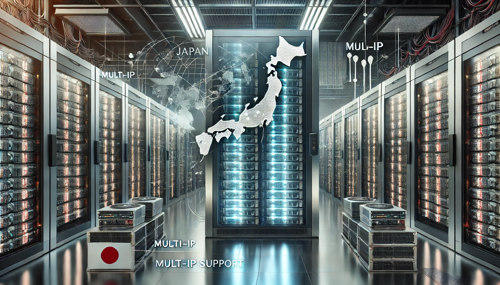
there are differences in the legal and regulatory environments between hong kong and taiwan. organizations should evaluate data sovereignty, content moderation, and legal request response processes, select deployment locations that meet compliance and privacy requirements, and develop contingency procedures.
data center stability, network neutrality, ddos protection and operation and maintenance support are key considerations. it is recommended to adopt multi-region back-to-origin, health check and automatic switching mechanisms to improve disaster recovery capabilities and reduce risks caused by single node failure.
practical suggestions: give priority to cdn, and combine edge nodes in hong kong and taiwan to return to the origin according to traffic distribution strategies; use domain names and hreflang to control regional positioning; after evaluating compliance and operation and maintenance needs, adopt a hybrid or multi-regional solution to balance speed and reliability.
- Latest articles
- Which VPS provider in Malaysia is the best? A comprehensive comparison based on price-performance and after-sales support
- Detailed Explanation of Factors to Consider When Choosing a Data Center in Singapore: The Impact of Singapore CN2 VPS on Access Speed
- Where are Malaysia’s WeChat servers located? Geographical factors that affect message delivery speed
- Advantages of Hong Kong’s native IPs in supporting cross-border work and distance education at airports
- Risk Warning: How to Avoid Contract Traps and Hidden Fees When There Are Activities at Hong Kong Station Groups
- Top Choice for Small and Medium-sized Enterprises: Strategies for Selecting Hong Kong VPS and Server Hosting Providers
- Complete List of My World German Server Names, Analysis of the Best Options, and Recommendation Guide
- How to Achieve Seamless Corporate Work and Video Conferencing Using Cambodia’s CN2 Domestic Server
- An Empirical Analysis of the Impact of Cambodian Cloud Server Configurations on Performance from CPU Memory to Network Bandwidth
- Local business inventory: Where to find reliable suppliers for original Taiwanese IPs
- Popular tags
-
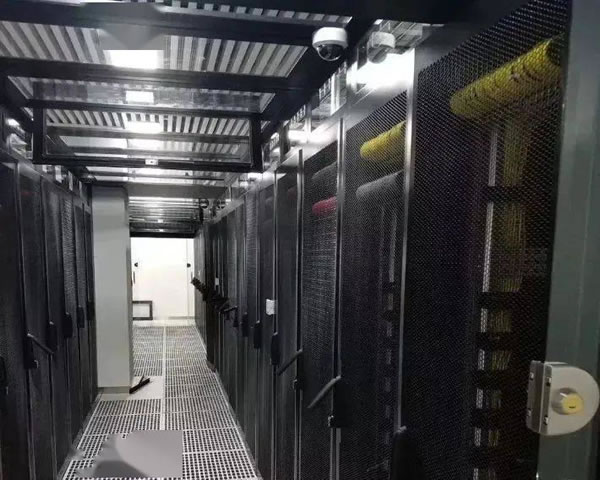
Key considerations: Taiwan servers, US servers, data sovereignty and compliance issues
Compare key considerations regarding data sovereignty and compliance between Taiwan servers and U.S. servers. It covers speed, latency, security, legal risks, compliance requirements, and decision-making processes to help businesses make choices that balance compliance with performance. -

comparison and selection of high-defense server rental companies in taiwan
this article will compare different high-defense server rental companies in taiwan and provide selection suggestions to help you find a suitable high-defense server. -

Purchasing Guide: Price Ranges and Depreciation Methods for Advantech Servers in Taiwan
Professional Procurement Guide: It analyzes the key points of purchasing Advantech servers in Taiwan, how to obtain price ranges, as well as common depreciation calculation methods and accounting treatments, to help businesses make sound budgets and decisions.